


El periodismo convencional ha muerto
English below: The conventional journalism has died
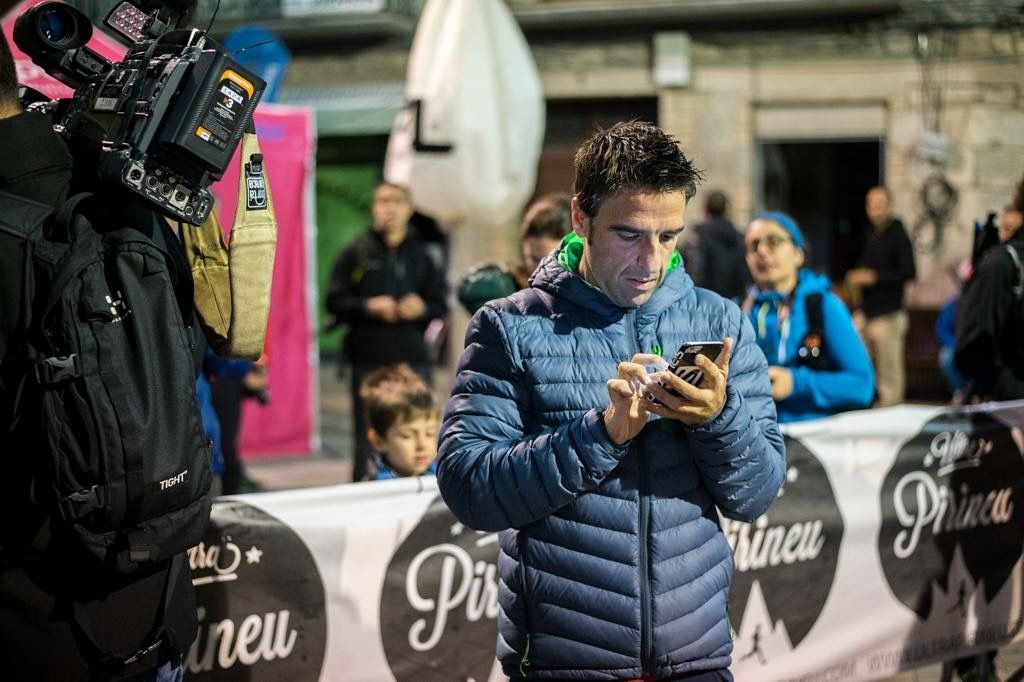
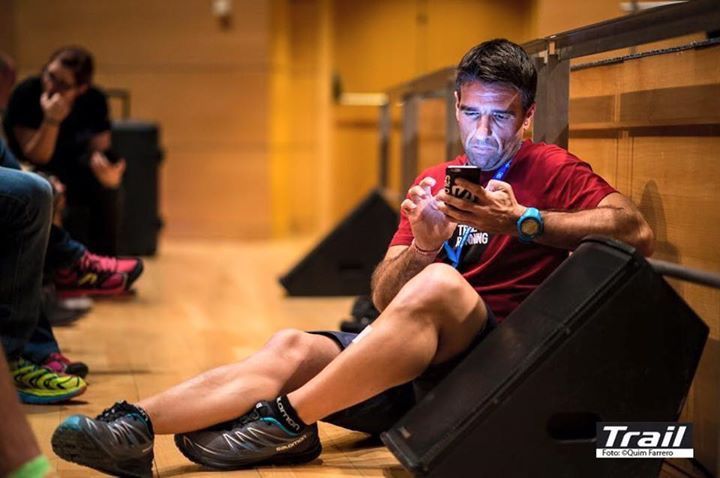
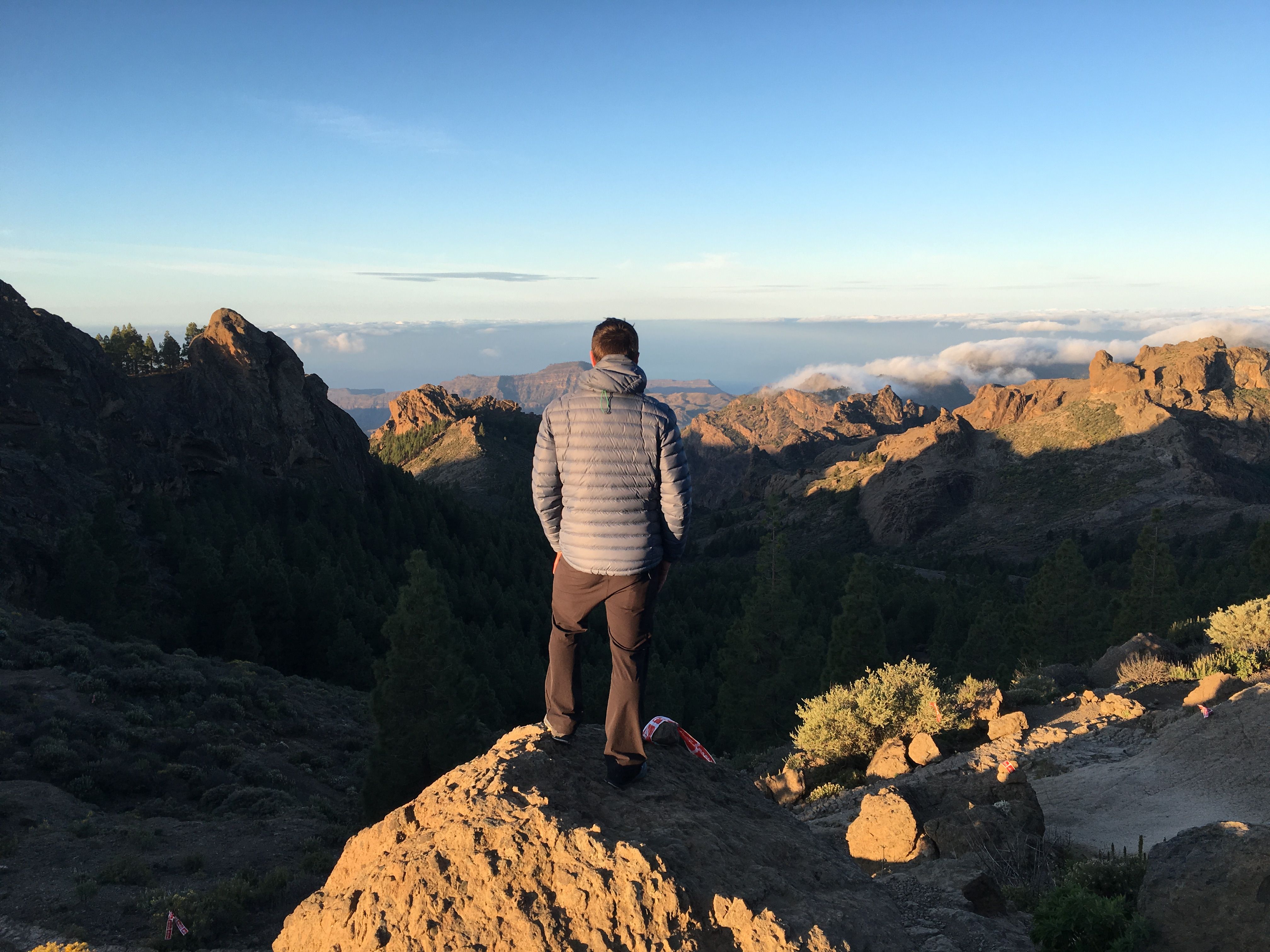
Son las 7 de la mañana en el Roque Nublo, el punto más bonito y carismático de la Transgrancanaria. Un espectacular amanecer nos saluda tras una fría noche siguiendo a los corredores. Me siento un privilegiado y, pese a disfrutar de la soledad y el silencio, desearía poder compartir ese momento. Esta vez, en lugar de guardármelo para mi mismo, conecto el Periscope y lo retransmito en directo via Twitter. Cuando acabo, una gran sonrisa asoma en mis labios: llevo toda la noche explicando la carrera con vídeos, tweets, fotos e incluso emitiendo en directo en streaming aquello que estoy viviendo. Todo, con un simple teléfono móvil. Me acuerdo de los que dicen que el periodismo está muerto. Sonrío.
Me resulta divertido que haya quien preconice el fin del periodismo en una época en la que tenemos unas posibilidades comunicativas inimaginables hace 10 años. Y en la que hay mayor consumo que nunca de información. Lo que sí que ha muerto es una cierta manera de comunicar: la acomodada, la limitada a un único canal, la del artículo un día después de la noticia que no aporta nada. El problema es que hay muchos periodistas (e incluso medios) que aún no se han dado cuenta. O se han dado cuenta, pero están tan enquilosados en las estructuras del pasado, que no quieren (o no pueden) someterse a un cambio doloroso, que les va a llevar fuera de su zona de confort.
Después de sacarme la carrera y de 15 años trabajando en todo tipos de medios de comunicación tradicionales, me encontré haciendo algo que no me llenaba: era lento, aburrido, repetitivo, enquilosado, con historias mayormente insustanciales… Vale, era cómodo, pero estaba muy alejado de mis sueños cuando empezaba. Y pasé de la seguridad de dos nóminas al abismo de ser autónomo en un sector destrozado por la crisis. Era el riesgo y precio a pagar por trabajar en lo que me gustaba. Quizás sea demasiado romántico, demasiado soñador, pero a estas alturas ya me he dado cuenta que no me voy hacer rico con el periodismo, así que prefiero ganar menos haciendo lo que me enriquece como persona y profesionalmente.
La otra cosa de la que me he dado cuenta es que un periodista no es más que un contador de historias, alguien que acerca a los otros lo que está viviendo de la manera más rica, profesional e imparcial posible. Y el problema es que muchos periodistas han dejado de ser contadores de historias para ser simples secretarios que hacen noticias de tweets que han publicado ciertos deportistas, analizan y teorizan hasta la saciedad declaraciones estúpidas de gente estúpida o se pasan el día encerrados en una oficina reescribiendo noticias de agencia. Sin el más mínimo contacto con la realidad.
Pero la mayor parte de la culpa no es suya. Ahora quienes mandan en las redacciones son tíos con traje y muy bien peinados, que no sé que han estudiado, pero no son periodistas. Saben mucho de gestión de personal y de economía, pero el periodismo es mucho más que eso: es sentimiento, pasión, es contar historias, es viajar, es investigar, es invertir tiempo, es pintar el mundo a través de tus palabras, es tener credibilidad… Sin todo eso, un medio está perdido. Apenas sirve de nada. Acabará muriendo por muchas toallas que venda, porque la gente se irá a otro lado a buscar esas historias, esa veracidad y esa credibilidad.
La nueva comunicación es un reto enorme para cualquier profesional. Ahora debe ser rápido, fiable, especializado, adaptable, tener la mentalidad abierta, estar a la última en tecnología e ir siempre un paso por delante de la numerosa competencia que te puede salir en cualquier momento. El peligro de todo esto es caer en la insustancialidad, en la anécdota, en lo rápido y en lo efímero. Hacer una comunicación banal o demasiado segmentada por culpa de la propia naturaleza de las redes sociales. Pero también tiene sus ventajas: el periodista ya no depende tanto del medio, de la plataforma, y puede hacer periodismo de calidad y llegar a mucha gente desde su propia página web y redes sociales. Además, la nueva comunicación te obliga a salir constantemente de la zona de confort y a evolucionar. Todo ello encaja con mi personalidad y todo ello es el motivo de albertjorquera.com. No es un medio de comunicación, no es una plataforma para anuncios, no es una web de reviews de material… Es simplemente un espacio donde escribir sobre gente que inspira y momentos conmovedores. Un intento, en definitiva, de continuar siendo un contador de historias lo más interesantes y bonitas posibles.


English version
7AM at Roque Nublo, the most beautiful and iconic spot of Transgrancanaria. An amazing dawn illuminates us after a cold night following all the runners. Once again, I feel blessed and I wish that more people could live what I am experiencing. This time, however, I don’t keep it for myself. I connect Periscope and I start broadcasting live what I see and feel. When I finish, there’s a big smile on my face: I have been all night long explaining the race via videos, tweets, pics and even live streaming. All with a simple smartphone. I think about all those who say that journalism is dead. I laugh.
It’s fun that some people are predicting the end of journalism just at the moment when we have more communication tools and possibilities, all of them unthinkable just 10 years ago. When news is more consumed than ever. What has already died is a way of journalism: the lazy one, the one-sided-reduced-to-one-channel, the article one day after everything has happened. The problem is that a lot of journalists (and even media) still haven’t noticed. Or they have, but they are so stuck in the past that they don’t want (or can’t) go through a process that’s going to be painful and bring them out of their confort zone.
After finishing my journalism degree and 15 years working in all kind of media I found myself doing something that didn’t fulfill me: It was slow, boring, based on unsubstantial stories… Something far away from the dreams I had when I started. And I jumped from the security of being paid every month to the uncertainty of being a freelance in a sector devastated by the crisis. That was the risk and the price to be paid for working in what I loved. Maybe I am a dreamer, but right now I know that I won’t become rich with journalism, so I prefer to earn less but do what fulfills me personally and professionally.
Another thing that I have found out is that a journalist is no more than a story-teller. Someone who spread to others what he’s living in the most beautiful, rich and professional way possible. And the problem is that a lot of journalists are story-tellers no more just to become simple copywriters who write news about other people’s tweets, who analyze stupid arguments from stupid people or who are all day closed in a press-room just rewriting agency news. Without the minimum contact with reality. And that can be done by everyone. And that’s why we are payed crap. We have to offer something else, give something else.
But most of the fault is not theirs. Now the press rooms are managed by well-dressed and groomed guys, which I don’t know what they have studied, but aren’t journalists. They may be specialists in marketing plans and economy, but journalism is much more than that: it’s feelings, passion, it’s story-telling, it’s travelling, it’s investigating, it’s investing time on the news, it’s painting the world through words, it’s credibility… Without all this, a media is lost, it’s almost worthless. No matter how many towels, clocks or promotions it sells, it will end up dying because people will search out these stories in other places.
New communication is a huge challenge for each professional. Now he must be fast, reliable, specialized, adaptable, open-minded, know in depth the last technologies and always go one step ahead its colleagues. The danger is falling in the emptiness, in the anecdote, in the fast and the ephemeral. To do an unsubstantial communication too segmentated due to the own nature of the social media. But it also has massive advantages: the journalist is no more enslaved by the media, by the platform, and now can do quality journalism and reach a lot of people from his own webpage and social networks. Furthermore, new communication forces you to go constantly out of your confort zone and to evolve. All this fits my personality and they are the reasons behind albertjorquera.com. It’s not a news website, it’s not an advertisement platform, there won’t be gear reviews… It’s just an space where writing about inspirational people and moving moments. A try to keep on being that story-teller that I dreamed about when I was a child.